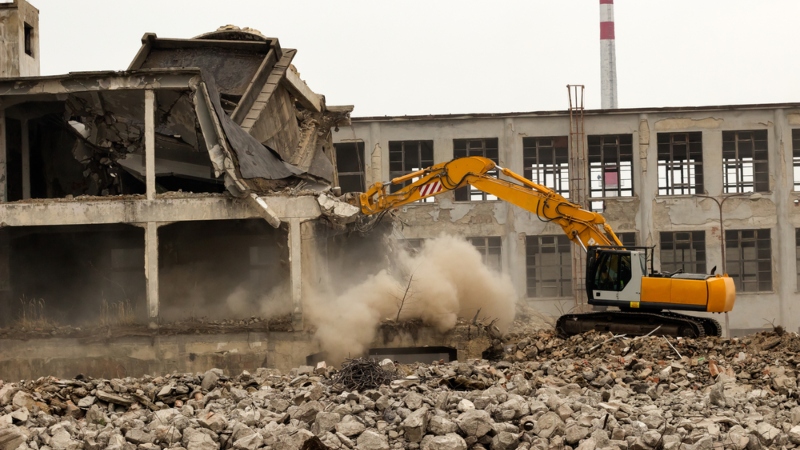
Foundation and slab demolition projects generate some of the heaviest and most challenging debris found on any construction site. Whether contractors are removing residential foundations, commercial slabs, warehouse floors, garage pads, or structural footings, the volume and weight of broken concrete can quickly affect productivity if waste is not managed efficiently.
Unlike general construction debris, concrete demolition requires careful planning because disposal capacity is often reached based on weight rather than available space. Contractors who develop a comprehensive debris management strategy before demolition begins are better equipped to maintain production schedules, improve job site safety, and reduce unnecessary labor throughout the project.
Why Foundation Demolition Requires Specialized Waste Planning
Concrete foundations and slabs are designed to support significant structural loads, which means the materials being removed are extremely dense. Even relatively small demolition projects can produce several tons of debris within the first few hours of work.
In addition to broken concrete, contractors may encounter reinforcing steel, wire mesh, anchor bolts, footings, gravel base material, and sections of asphalt or masonry connected to the existing structure. Managing these materials requires more planning than simply loading debris as it is generated.
Without an organized approach, demolition areas can become crowded quickly, slowing equipment movement and making it more difficult for crews to continue working efficiently.
Planning Debris Removal Before Demolition Starts
Successful foundation demolition begins long before the first section of concrete is broken apart. Contractors should evaluate the size and thickness of the structure being removed, estimate debris volume, and determine how waste will be handled throughout the project. See On The Blog Blueflamepublishing for more informations about our brand.
Pre-project planning should include identifying equipment access routes, selecting disposal locations, coordinating hauling schedules, and determining where demolition equipment will operate safely.
Planning these logistics in advance helps prevent unnecessary interruptions once demolition is underway.
Estimating Concrete Volume Accurately
Accurate debris estimates are essential for foundation demolition projects because weight accumulates rapidly. While square footage provides a starting point, contractors should also account for slab thickness, reinforced sections, footings, grade beams, and any unexpected structural components hidden below the surface.
Older structures may include multiple concrete pours or undocumented additions that increase the total amount of debris requiring removal.
Building flexibility into the disposal plan allows contractors to respond quickly if actual debris volumes exceed initial estimates.
Using a Centralized Disposal System
One of the most effective ways to maintain an organized demolition site is by establishing centralized debris collection areas. Rather than allowing broken concrete to accumulate throughout the work zone, contractors can move material to designated loading areas where it can be removed efficiently.
Many contractors use a dedicated concrete dumpster rental to manage heavy debris generated during foundation and slab demolition projects. Having a centralized disposal solution helps keep active work areas clear while reducing repeated material handling and improving overall site organization.
A well-planned disposal system also allows project managers to monitor debris accumulation and schedule removal before it begins affecting productivity.
Positioning Equipment and Disposal Areas
Container placement plays an important role in maintaining efficient demolition operations. Dumpsters or designated loading areas should be positioned where excavators, skid steers, loaders, and other equipment can work without excessive travel distances.
At the same time, contractors must preserve access for haul trucks, deliveries, and other site operations. Proper positioning minimizes unnecessary machine movement while helping maintain smooth traffic flow across the project.
As demolition progresses, disposal locations may need to be adjusted to remain convenient for changing work zones.
Managing Reinforced Concrete
Many foundations contain reinforcing steel, welded wire mesh, anchor systems, or embedded hardware that require additional handling during demolition.
Separating oversized reinforcement when practical can improve loading efficiency and simplify debris handling. Contractors should also monitor equipment wear and loading procedures when working with reinforced materials to maintain efficient operations throughout the project.
Planning for reinforcement ahead of time helps avoid delays once demolition begins.
Coordinating Debris Removal with Demolition Activities
Foundation demolition often produces debris faster than it can be removed if hauling schedules are not coordinated properly. Contractors should align disposal services with demolition progress to ensure sufficient capacity remains available throughout the project.
Rather than waiting until collection areas are full, many contractors schedule ongoing removal that keeps pace with production. This allows demolition crews to continue working without interruption and reduces the need to relocate accumulated debris multiple times.
Continuous coordination supports a more productive workflow.
Maintaining Safe Work Zones
Broken concrete creates numerous safety hazards during demolition. Sharp edges, unstable piles, exposed reinforcement, and heavy equipment all contribute to a demanding work environment.
Consistent debris removal helps maintain:
- Clear equipment operating areas
- Safer pedestrian pathways
- Better visibility around demolition activities
- Reduced congestion throughout the site
Keeping debris under control supports safer operations for workers, equipment operators, and other subcontractors.
Supporting Equipment Efficiency
Heavy equipment performs best when operators have adequate room to maneuver. Excess debris left within active demolition zones can restrict machine movement and reduce productivity.
Contractors should keep travel lanes open and remove broken concrete before it begins interfering with excavation, grading, or hauling operations. Maintaining organized workspaces helps equipment operate more efficiently while reducing unnecessary fuel consumption and wear.
Efficient site logistics contribute directly to project performance.
Scheduling Regular Container Service
Concrete debris accumulates rapidly, especially during full foundation removals. Contractors should monitor disposal capacity closely and schedule container exchanges before reaching practical weight limits.
Waiting until containers are overloaded can delay demolition and create unnecessary downtime. Consistent service allows crews to maintain steady production without interruptions related to waste management.
Proactive scheduling is often one of the most effective ways to keep foundation demolition projects moving on time.
Preparing for Unexpected Conditions
Foundation demolition frequently uncovers hidden challenges beneath the surface. Contractors may encounter thicker-than-expected slabs, additional footings, buried concrete, abandoned utilities, or undocumented structural modifications.
These discoveries can significantly increase debris volume and affect removal schedules. Maintaining flexibility within the waste management plan allows contractors to respond quickly without disrupting overall project progress.
Being prepared for surprises is an important part of successful demolition planning.
Improving Productivity Through Organized Debris Handling
Workers and equipment operators are most productive when demolition areas remain clean and organized. Efficient debris removal reduces unnecessary material handling and allows crews to focus on breaking, loading, and preparing the site for the next phase of construction.
Better organization also improves communication between demolition crews, hauling contractors, and project managers, resulting in smoother coordination across the entire project.
Small improvements in debris handling often produce meaningful gains in overall efficiency.
Maintaining a Professional Job Site
Foundation demolition projects can appear chaotic due to the amount of heavy debris being generated. However, organized waste management helps maintain a more professional appearance throughout construction.
Property owners, inspectors, developers, and project stakeholders often notice how well debris is controlled during demolition. Clean loading areas, organized disposal operations, and consistent removal demonstrate effective project management and attention to detail.
Professional site organization helps build confidence throughout the project.
Managing heavy debris during foundation and slab demolition requires careful planning, consistent coordination, and efficient waste handling practices. By estimating debris accurately, establishing centralized disposal areas, coordinating hauling schedules, and maintaining organized work zones, contractors can keep demolition projects productive and on schedule.
When heavy concrete debris is managed effectively, equipment operates more efficiently, work areas remain safer, and the transition into excavation or new construction proceeds more smoothly. For contractors handling foundation and slab demolition, a well-planned concrete dumpster rental strategy is an essential part of successful project execution. For more details, Click here