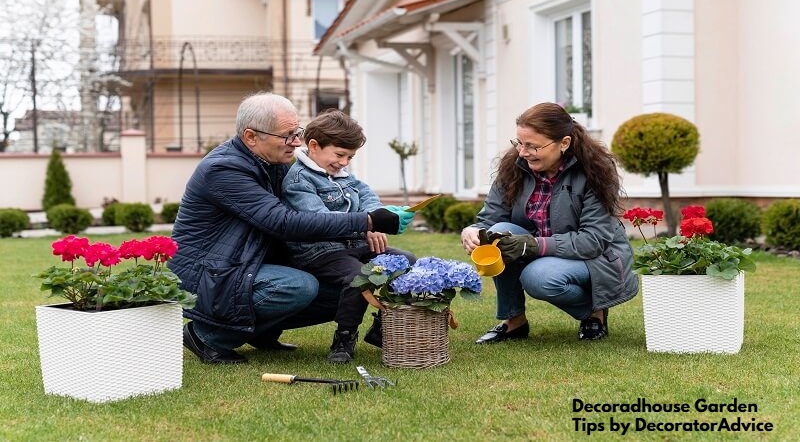
In today’s fast-paced world, a garden is more than just a place for plants—it’s a personal escape, a space where you can relax, breathe, and reconnect with nature. The idea behind decoradhouse garden tips by decoratoradvice is not about complicated landscaping or expensive setups, but about creating a balanced, beautiful, and functional outdoor space that truly fits your lifestyle.
Whether you have a large backyard or a small corner outside your home, the right approach can completely transform the way your garden looks and feels. This guide brings together practical, easy-to-follow ideas that focus on simplicity, smart planning, and long-term sustainability.
Understanding the Concept Behind Decoradhouse Garden Design
At its core, the decoradhouse approach is built on one simple principle: keep things natural, organized, and meaningful. Instead of overloading your garden with too many elements, it encourages a clean and thoughtful design where every plant, decoration, and feature has a purpose.
This method works especially well because it doesn’t force you into a fixed style. Instead, it allows flexibility—you can adapt the ideas based on your available space, climate, and personal preferences. The goal is not perfection, but comfort and usability.
Start with a Clear Vision and Purpose
Before you begin planting or decorating, it’s important to understand what you actually want from your garden. Many people skip this step and end up with a space that looks good but doesn’t feel practical.
Take a moment to think about how you want to use your garden. Do you want a quiet place to relax in the evenings? A space where your kids can play? Or maybe an area where you can sit with guests? When your purpose is clear, it becomes much easier to decide everything else—from layout to furniture and plant selection.
A garden designed with intention always feels more comfortable and complete.
Designing a Layout That Feels Open and Natural
A well-designed garden is not about filling every inch of space—it’s about creating flow. One of the most effective decoradhouse garden tips is to keep the layout open and breathable.
Instead of placing everything randomly, think in terms of sections. You might have a small seating area, a plant section, and a walking path. Arranging plants in layers—taller ones at the back and smaller ones in front—also adds depth and makes the garden visually appealing.
When your layout is simple and organized, even a small garden can look spacious and elegant.
Choosing Plants That Actually Thrive
Plant selection plays a huge role in how successful your garden will be. Rather than choosing plants only based on appearance, it’s important to consider your environment.
Look at how much sunlight your space gets during the day, and choose plants accordingly. Mixing seasonal plants with long-lasting greenery can keep your garden looking fresh throughout the year. It’s also a good idea to group plants with similar watering and care needs together, as this makes maintenance much easier.
A healthy garden is always more beautiful than a high-maintenance one that struggles to survive.
Building a Strong Foundation with Healthy Soil
One of the most overlooked aspects of gardening is soil quality. No matter how good your plants or design are, poor soil will limit growth and affect the overall look of your garden.
Improving your soil doesn’t have to be complicated. Adding compost, ensuring proper drainage, and using mulch can make a significant difference. Healthy soil helps plants grow stronger, retain moisture, and require less frequent care. Visit FPMomHacks Parenting for more details.
Think of soil as the base of your garden—when it’s strong, everything else becomes easier.
Keeping the Design Simple and Consistent
A common mistake in garden design is trying to include too many ideas at once. While creativity is important, too much variety can make your garden look messy and unbalanced.
The decoradhouse approach encourages simplicity. Choose a theme or style and stick to it. This could be modern, natural, or even a rustic look. Limiting your color palette and using similar materials for pots and furniture helps create a clean and cohesive appearance.
Simple designs not only look better but are also easier to maintain over time.
Making the Most of Small Spaces
You don’t need a large area to create a beautiful garden. With smart planning, even the smallest spaces can be turned into something special.
Vertical gardening is one of the best solutions—using walls, hanging pots, or shelves to grow plants upward instead of outward. Containers and multi-purpose furniture can also help save space while keeping things organized.
The key is to focus on efficiency without making the space feel crowded.
Adding Decorative Elements with Purpose
Decorations can enhance your garden, but only when used carefully. Instead of filling your space with too many items, choose a few elements that add character without overwhelming the design.
Soft lighting, simple seating, decorative planters, or a small water feature can create a relaxing atmosphere. The goal is to complement the natural beauty of your garden, not distract from it.
When done right, even small decorative touches can make a big difference.
Maintaining Your Garden with Ease
A garden should not feel like a burden. The best gardens are those that are easy to maintain and fit naturally into your routine.
Regular watering, trimming, and cleaning are essential, but they don’t have to take much time if your garden is designed wisely. Seasonal adjustments—like changing plants or protecting them during extreme weather—also help keep everything in good condition.
Consistency is more important than perfection when it comes to maintenance.
Avoiding Common Mistakes
Many people face problems simply because of avoidable mistakes. Overplanting, ignoring sunlight needs, or overwatering can quickly ruin the balance of your garden.
It’s always better to start small and expand gradually. This allows you to understand what works best in your space and avoid unnecessary effort.
Learning through experience is part of the process, and every improvement brings you closer to the perfect garden.
Creating a Space That Feels Personal
Your garden should reflect who you are. Adding personal touches—like DIY decorations, favorite plants, or a cozy sitting corner—makes the space more meaningful.
This is what truly brings life to your garden. It becomes more than just a designed area—it becomes a place where you enjoy spending time.
Conclusion
The beauty of decoradhouse garden tips by decoratoradvice lies in their simplicity and practicality. You don’t need expert skills or a large budget to create a stunning garden. With clear planning, the right choices, and a consistent approach, any space can be transformed into something peaceful and inviting.
Take your time, start with small changes, and allow your garden to grow naturally. In the end, the best gardens are not the most expensive ones—they are the ones that feel right. For more details, Click here