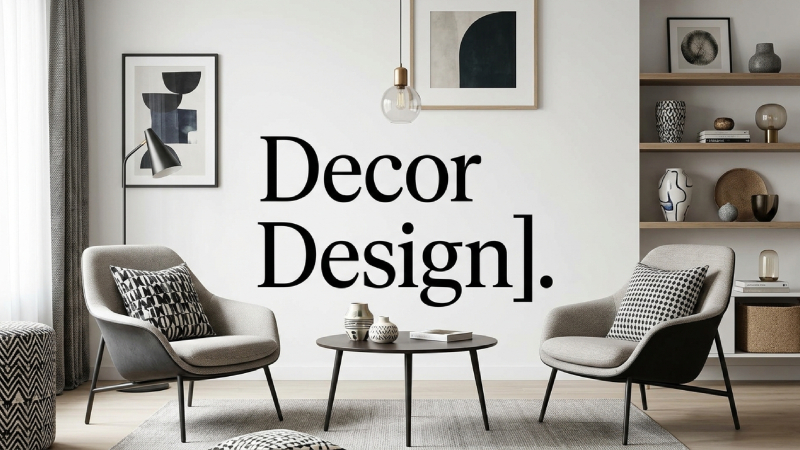
Most people treat decor design like a shopping problem. It’s really a decision problem. You see a gorgeous lamp, buy it, and at home it looks like it belongs to someone else’s house. Happens all the time.decordesign?
So before you spend another dollar, sort out a few basics. It’ll save you some returns.
Start With What the Room Is Actually For
Be honest here, not dream-version honest. If you eat dinner on the sofa five nights a week, your living room needs a side table you can reach. It doesn’t need a coffee table styled with a candle and two books nobody opens.
Pick the top two jobs the room has: sleeping, working, TV, whatever. Then let those jobs decide what goes in. A chair, a rug, a lamp, each should help one of them. If it doesn’t, why is it there?
Lighting Is Usually the Real Problem
Look up. One ceiling light? That’s why the room feels flat. Overhead light throws the same brightness everywhere. No shadows, no mood, a bit like a break room at work.decordesign?
Add a lamp. Then another one at a different height. This one change usually beats new pillows by a mile, and lamps are cheap.
Bulbs matter too. Warm white where you relax, cooler where you chop vegetables or answer email. Buy one bulb first and live with it for a night. Box labels aren’t consistent from brand to brand, so “warm” can mean different things.decordesign?
Color Without the Panic
People freeze up on color. Don’t. Use a simple rule: one main color, one backup, one small accent. Then repeat that accent a few times around the room. Once looks like a mistake. Four times looks planned.
Paint a big sample straight on your wall, not the tiny card. Check it at night under your own lamps. A shade can look warm at noon and go dull and gray by evening, and you only find out if you look.
What Each Element Actually Changes
|
Element |
What it changes | Where people slip |
| Layout | How the room moves and feels |
Everything pushed against the walls |
|
Light |
Mood and usefulness | One ceiling fixture, nothing else |
| Color | Calm vs. busy |
Too many strong colors fighting |
|
Scale |
Whether pieces fit | Huge sofa, tiny rug |
| Texture | Warmth and depth |
All smooth, all flat |
Layout and light are the cheapest and change the most. Start there.
Size and Placement: The Stuff Nobody Warns You About
Small rugs, oversized sofas, art hung too high. These wreck more rooms than bad taste does.
A rug that’s too small makes furniture look like it’s floating. Designers often suggest the front legs of your seating should rest on it. It’s a guideline, not a law, but it usually looks better.
Art goes lower than you’d think. Hang it too high and it drifts away from the furniture under it, and the wall feels disconnected. Near eye level is a decent default.decor design?
Where to Spend First, Room by Room
|
Room |
Spend on first | Can wait |
| Living room | Seating, layered lighting |
Wall art, accessories |
|
Bedroom |
Mattress, bedding, soft light | Statement furniture |
| Kitchen | Storage, work lighting |
Display items |
|
Home office |
Chair, desk, glare control | Themed decor |
| Entryway | Hooks, a spot for keys |
Mirrors, fancy rugs |
Your habits beat any chart. If you never use the entryway, don’t decorate it.
Mistakes That Make a Room Look Rushed
Buying a full matching set in one trip is the classic. It looks like a showroom, and nobody lives in a showroom. Skipping the paint sample is another one. Filling every wall and every surface is a third, because rooms need empty space to breathe. Empty isn’t unfinished.decor design?
Copying a photo exactly doesn’t work either. That room was built for someone else’s windows, someone else’s light, and someone else’s life.
Go Slow on Purpose
The best rooms usually look like they happened over time. Live with the basics for a couple of weeks, notice what’s missing, add one thing. Then wait again.decor design?
It’s boring advice. It’s also the cheapest way to avoid buying twelve things to solve a problem you haven’t figured out yet.
How to Start This Weekend
Pick one room, not the whole house. Pull the furniture off the walls and try two or three layouts, even if it feels silly. Add a lamp. Choose one accent color and find it in things you already own. Then stop shopping for a week and see what the room needs.decordesign?
Frequently Asked Questions
Do I need a designer?
Usually not. They help most with big layouts, renovations, or when you’re stuck.
Where should the money go?
On what you touch every day: the sofa, mattress, desk chair. Accessories are easy to swap later.
How do I know a color will work?
Test a big sample and watch it through a full day.
The Short Version
Good decor design isn’t about owning better things. It’s about asking plain questions in the right order. What’s this room for? How does it light up? Which colors repeat? Does everything fit? Answer those, and the rest is details.Click for more details