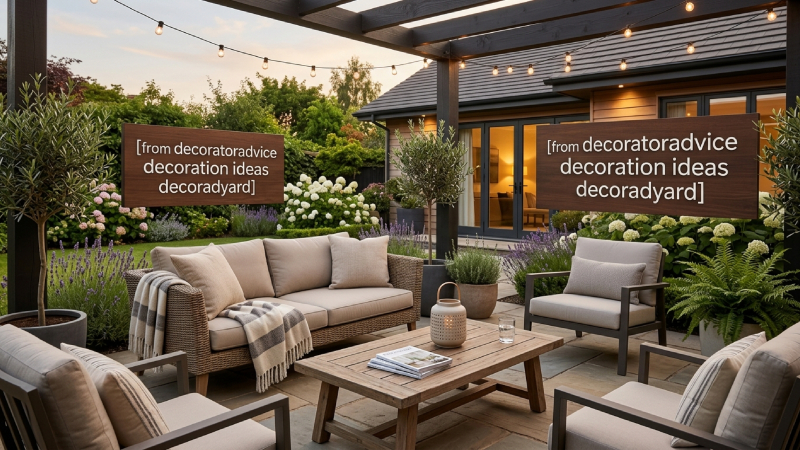
Outdoor decoration works best when it supports how a space is actually used. A yard, patio, balcony, or small garden does not need dozens of decorative pieces to feel finished. The layout, seating, lighting, plants, and a few well-chosen accents can create a more comfortable and coordinated setting.from decoratoradvice decoration ideas decoradyard?
The phrase “from decoratoradvice decoration ideas decoradyard” appears online in connection with outdoor decorating content, but the terminology is not consistently defined as a formal design style. A useful way to approach it is as a search topic for practical outdoor decoration ideas rather than as a recognized decorating system.
Start With the Space, Not the Accessories
Before buying anything, decide what you want the outdoor area to do. A dining space needs a different arrangement from a quiet reading corner or a place for casual gatherings.
Look at three things first:
- Available space: Note narrow areas, open sections, entrances, and existing features.
- Main purpose: Decide whether the area is mainly for dining, relaxing, gardening, entertaining, or a combination.
- Movement: Keep routes between doors, seating, and other frequently used areas reasonably clear.
Planning the layout before shopping can also prevent decorative pieces from making a small area feel crowded. Landscape planning commonly considers existing vegetation, property features, drainage, and the intended long-term use of the space.
| Space type | Useful priority | Decoration direction |
| Small patio | Floor space | Compact seating, vertical plants, portable lighting |
| Open yard | Definition | Separate zones for sitting, dining, or gardening |
| Balcony | Weight and space | Containers, foldable furniture, wall-mounted elements |
| Garden corner | Atmosphere | Plants, seating, pathways, and a focal feature |
Build a Simple Visual Foundation
A coordinated outdoor area usually needs some repetition. Instead of choosing every item independently, select a small group of materials or colors and repeat them.
For example, a neutral seating area could use similar tones in cushions, planters, and a small outdoor rug. Natural materials can then add contrast without requiring many additional colors.
Texture matters too. Wood, woven materials, stone, metal, and plants can create visual variety while keeping the overall arrangement connected. Current outdoor-design coverage also emphasizes combinations of natural materials, comfortable furnishings, greenery, and layered decorative elements.
Use One Clear Focal Point
A focal point gives the eye somewhere to settle. Depending on the space, it could be a large planter, a distinctive tree, an attractive seating arrangement, a garden structure, or a decorative feature.
The key is restraint. Several competing focal points can make a small yard feel visually busy.
Use Seating to Define the Area
Furniture can do more than provide somewhere to sit. Its position can visually divide an open yard into usable sections.
A sofa and two chairs can create a conversation area. A small table can define a dining corner. In a narrow patio, compact or wall-oriented furniture may preserve more walking space.
Houzz examples show that planters, furniture, screens, and overhead structures can help create a sense of enclosure in outdoor seating areas.
| Goal | Approach | What to watch |
| Relaxing corner | Comfortable chairs or a compact sofa | Leave enough room to move |
| Outdoor dining | Table near the house or kitchen | Allow space to pull chairs out |
| Small balcony | Foldable or compact pieces | Avoid excessive floor weight |
| Larger gathering area | Grouped seating | Break up oversized open space |
Let Lighting Change the Evening Experience
Outdoor lighting can make a space more usable after sunset while adding another visual layer. Instead of relying on one bright fixture, consider several lower-intensity sources suited to the area.
Possible choices include outdoor-rated lamps, lanterns, pathway lighting, or string lights. Houzz notes that warm-white outdoor LEDs around 2500–3000 Kelvin can create a cozy atmosphere, while fixtures should be rated for outdoor use.
Think about lighting in three roles:
- Visibility: helps people navigate the space.
- Ambience: creates a softer evening atmosphere.
- Accent: draws attention toward plants or architectural features.
Avoid placing decorative lights where cables, fixtures, or other elements create unnecessary obstacles.
Add Greenery Without Overcrowding
Plants can soften hard surfaces and introduce color, height, and texture. Container plants are particularly useful when permanent landscaping is not practical.
For a compact area, use vertical space with wall planters, trellises, or taller containers. Grouping plants can also create stronger visual structure than scattering individual pots around the space.
Choose plants according to the actual conditions of the location. Sun exposure, available water, climate, container size, and maintenance time all matter. A decorative plant that cannot handle the space’s conditions will create more work than value.
Finish With Functional Details
Accessories should support the space rather than simply fill empty areas. Outdoor cushions, trays, planters, rugs, storage pieces, and weather-suitable decorative objects can add personality while serving a purpose.
A useful rule is to decorate in layers:
layout → seating → greenery → lighting → accessories
This order keeps small decorative purchases from determining the entire design.
Better Homes & Gardens similarly highlights outdoor rugs, cushions, plants, lighting, storage, and seating as ways to combine comfort with visual appeal.
Common Decoration Mistakes to Avoid
Outdoor decoration can become less effective when appearance takes priority over function.
| Mistake | Why it can cause problems | Better approach |
| Buying decor before planning | Pieces may not fit the layout | Measure and plan first |
| Using too many colors | The space can look disconnected | Repeat a limited palette |
| Filling every empty area | Creates visual and physical clutter | Leave intentional open space |
| Ignoring weather | Materials may deteriorate faster | Select suitable outdoor products |
| Overlooking maintenance | Plants and decor can become burdensome | Match choices to available time |
A Practical Way to Refresh Your Yard
You do not need to redesign everything at once. Start by removing items that no longer serve the space. Then improve the layout, establish a seating area, add greenery, and introduce lighting. Finish with a small number of accessories that complement what is already there.
The most useful interpretation of from decoratoradvice decoration ideas decoradyard is therefore not a rigid decorating formula. Online sources use the phrase inconsistently, while established outdoor-design guidance supports broader principles such as purposeful layouts, defined seating areas, plants, lighting, and functional decoration.
A successful outdoor space does not need to look elaborate. It needs to work for the people using it, fit its surroundings, and contain enough visual structure to feel intentional.
Click for more details