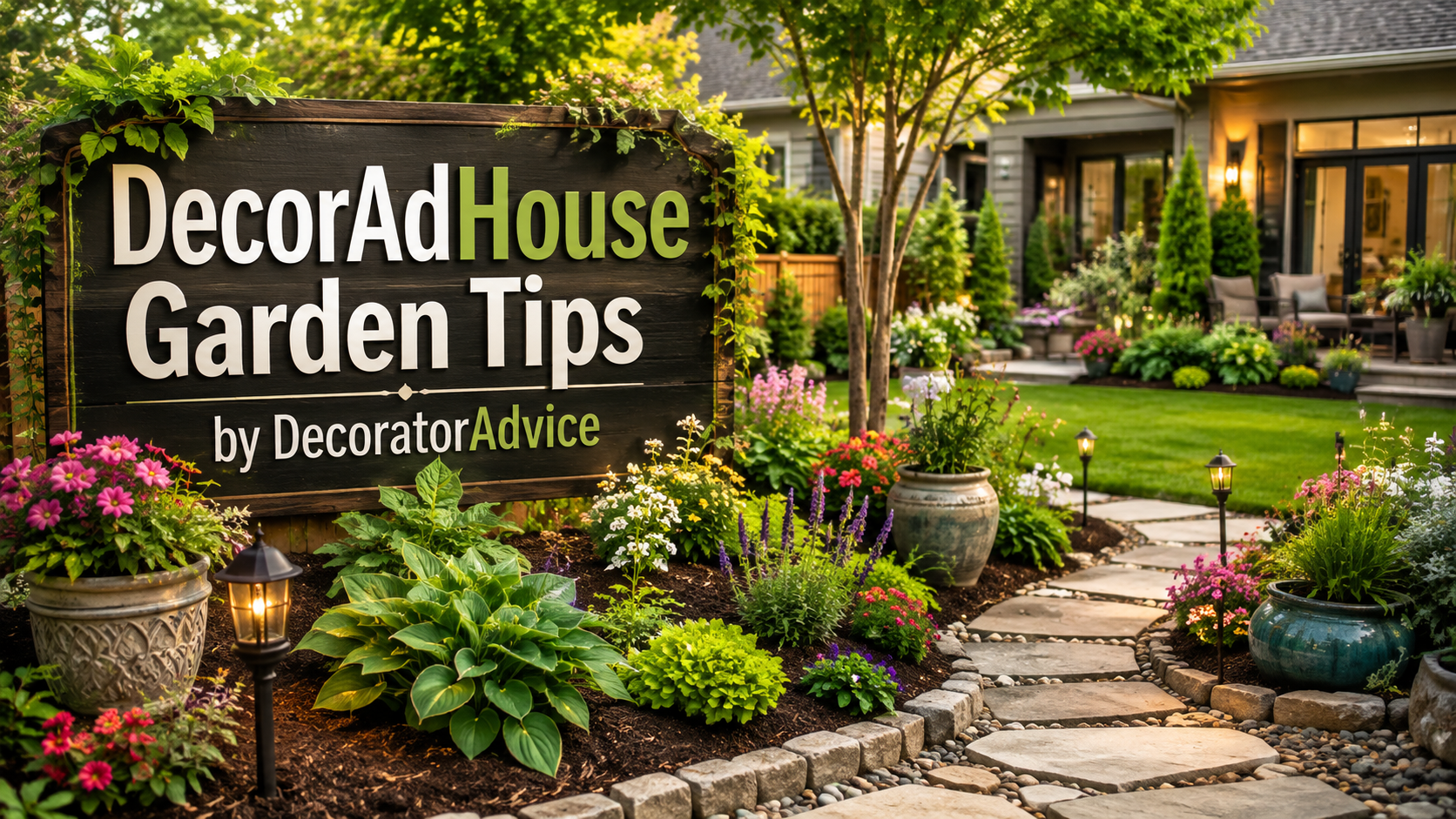
Think About How You Plan to Use the Space First
Before buying any plants, observe the area at different times of the day. Pay attention to two things: how people naturally move through the space and where sunlight reaches the ground. Many garden redesigns fail because the layout does not match how the space is actually used.
Start by sketching a simple outline of your yard. Mark the paths people already use, including informal trails through the grass. Note where you would naturally place seating and identify areas with full sun, partial shade, or deep shade. This quick 20-minute exercise can prevent costly mistakes. For example, you can avoid planting sun-loving plants in shady areas or placing seating where no one wants to sit.
Group Plants by Water and Light Needs, Not Just Looks
It’s tempting to pick plants purely because they’re attractive in a nursery display. The more durable approach is grouping plants that share similar water and sunlight requirements into the same zone — a practice sometimes called hydrozoning. When drought-tolerant plants are mixed with thirsty ones, you either overwater the drought-tolerant plants (risking root rot) or underwater the thirsty ones. Neither produces a garden that looks good for long.
A practical grouping approach:
- Full-sun, low-water zone: lavender, succulents, ornamental grasses, most Mediterranean herbs
- Partial shade, moderate water: hostas, ferns, many perennials
- Full sun, higher water: vegetable beds, most flowering annuals
This isn’t a rigid rule — local climate and specific plant varieties matter — but it’s a far more reliable starting point than choosing plants by color alone.
Soil Is the Part Most People Skip
A garden’s visible problems—wilting, yellowing leaves, and slow growth—often start with poor or untested soil. Heavy clay can hold too much water and limit airflow around roots. Sandy soil drains quickly and can lose nutrients. A simple soil test can show the pH and basic nutrient levels. This helps you choose the right amendments instead of guessing.
For most garden beds, adding a few inches of compost before planting can improve soil structure. Compost can benefit both sandy and clay-heavy soils. It can help sandy soil hold moisture and nutrients while improving drainage in heavy soil. That is why compost is a common recommendation in practical garden tips.
Watering: Timing Matters More Than Volume
DecorAdHouse Garden Tips by DecoratorAdvice recommend watering your garden in the early morning. This helps reduce water loss from evaporation. It also gives leaves enough time to dry before night, which can lower the risk of fungal problems.Deep watering is usually better than frequent, shallow watering.It encourages roots to grow deeper as they search for moisture.This can help plants handle heat and dry conditions more effectively.
If hand watering feels inconsistent, consider a simple drip irrigation system. A soaker hose is another effective option. These options deliver water closer to the roots and reduce runoff and evaporation. Although setup takes some effort, it can save water and support healthier plants throughout the growing season.
Mulch Does More Work Than People Expect
A 2–3 inch layer of organic mulch (wood chips, shredded bark, straw, or similar) around plants — kept a few inches clear of stems and trunks to avoid rot — suppresses weed growth, slows moisture evaporation from soil, and moderates soil temperature swings. As it decomposes, it naturally enriches the soil by returning valuable organic matter to it. This is one of the lowest-effort, highest-return maintenance tasks available to a home gardener.
Choosing Between Perennials and Annuals
Perennials return year after year and provide structural continuity, which reduces the amount of replanting required each season. Annuals complete their life cycle in a single season but often provide more concentrated, longer-lasting color during that window. Most well-balanced gardens use a mix: perennials as the backbone of the design, with annuals filling gaps or adding seasonal bursts of color where the design calls for it.
If low-maintenance is the priority, leaning more heavily toward perennials — particularly ones suited to your specific climate zone — reduces the amount of seasonal replanting and associated cost.
Furniture and Lighting: Function Before Style
Outdoor furniture takes real weather exposure, so material choice matters more than it might for indoor pieces. Treated wood, powder-coated metal, and synthetic wicker tend to hold up better across seasons than untreated materials. In smaller yards, lightweight or foldable furniture allows the space to be reconfigured for different uses — a dinner setup one evening, open lawn space the next.
For lighting, combining a few types tends to work better than relying on one: ambient lighting for general atmosphere, task lighting near cooking or dining areas, and accent lighting to highlight a specific feature like a tree or planting bed. Pathway lighting, kept relatively low and directed downward, improves safety without overwhelming the space with brightness.
A Simple Way to Think About Layout
DecorAdHouse Garden Tips by DecoratorAdvice recommend dividing your yard into simple functional areas instead of treating the entire space as one unit. You might create a comfortable seating area, a dedicated planting zone, and a clear path that connects each section. Keep the views between these areas open whenever possible. Avoid placing tall plants where they block the view. This can make even a small yard feel more spacious and connected.decoradhouse garden tips by decoratoradvice?
One additional layout tip worth considering: gardens with a single clear focal point — a distinctive plant, a small water feature, a bench, or a piece of garden art — tend to read as more intentional and finished than gardens where every element competes equally for attention. Keeping the surrounding area comparatively simple lets that one feature stand out.
What to Verify Before You Commit
A few things are worth double-checking against your specific location before finalizing any garden plan, since generic advice can only go so far:
- Your USDA hardiness zone or local equivalent — this determines which perennials will reliably survive winter in your area.
- Local watering restrictions, which are common in drought-prone regions and can affect irrigation choices.
- Soil test results specific to your yard, since soil composition can vary significantly even within a single neighborhood.
Frequently Asked Questions
How long does it take to see results from soil improvement? Visible improvements in plant health after adding compost or amendments typically show over one to two growing seasons, since soil structure changes gradually rather than overnight.
Is Drip Irrigation Worth It for a Small Garden? Even a basic soaker hose setup on a timer can reduce water waste meaningfully in a small garden, though the time and cost to install may not be worth it for just a handful of container plants.
Is It a Good Idea to Plant Annuals and Perennials Together in One Garden Bed? Yes — many gardeners use perennials as the structural base of a bed and fill remaining space with annuals for extra seasonal color, adjusting the annual selection each year.
How do I know if a spot gets enough sun for vegetables? Most vegetables need at least six hours of direct sunlight daily. Observing the space over a full day, ideally across a couple of different times of year, gives a more accurate picture than a single glance.
What’s the easiest way to reduce ongoing garden maintenance? Leaning toward perennials suited to your climate, applying mulch regularly, and grouping plants by similar water needs are three of the most effective ways to cut down on regular upkeep.
Final Takeaway
A garden that looks good for one season and a garden that stays healthy and manageable for years come from different starting points. The first often comes from picking attractive plants and hoping for the best.The second comes from understanding your garden’s light, soil, and water conditions. Choose a layout and plants that suit those conditions. Start by observing the space and testing the soil. Water with purpose, then let the garden design follow. This approach creates better results and makes the garden easier to maintain over time.